
Berkeley · Sauna Builder Services
Traditional Saunas
Finnish-style hot rooms for Berkeley homes, heated with electric or wood-fired stoves loaded with stones, reaching 170 to 195 degrees, where you ladle water onto the rocks for a burst of soft steam.
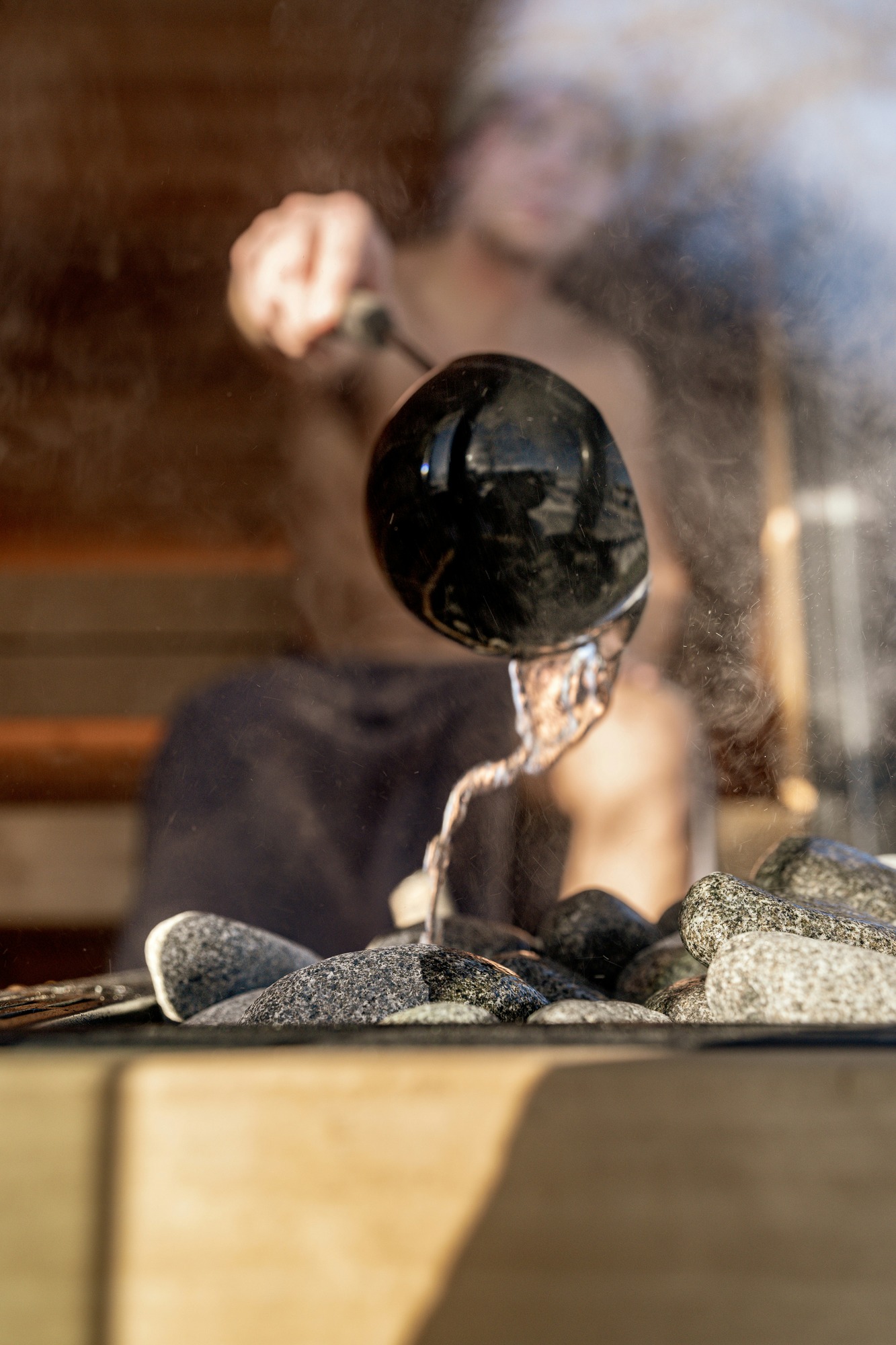
Heat, stones and water, the Finnish way
A traditional sauna is a wood-lined room warmed by a stove with a pile of stones on top. The air sits around 170 to 195 degrees, and a ladle of water on the rocks sends a wave of humid heat across the upper bench. Finns call that wave loyly. Getting a good one depends on stone mass, bench height and airflow, and those three are where a lot of home builds come up short.
We build Finnish saunas around electric heaters from Harvia, Huum, Saunum and Iki, and around wood-fired stoves from Kuuma and similar makers where the site allows. In Berkeley that last condition carries weight. Much of the hills lies inside a designated fire hazard zone, and a city that remembers the 1923 fire and the 1991 Tunnel Fire looks hard at chimneys, spark arrestors and clearances. A wood sauna stove is easier to permit in the flats, though neighbors and smoke rules still count. Electric heaters with large open stone baskets come very close in feel and sit comfortably in an all-electric house.
Some clients want the dry room and a wet room side by side, which is where steam saunas come in. A cold soak between rounds belongs in the routine, and a cedar tub install gives you one in wood that matches the sauna. When the room has to fit an awkward lot or an unusual plan, begin with custom sauna design before any lumber gets cut.
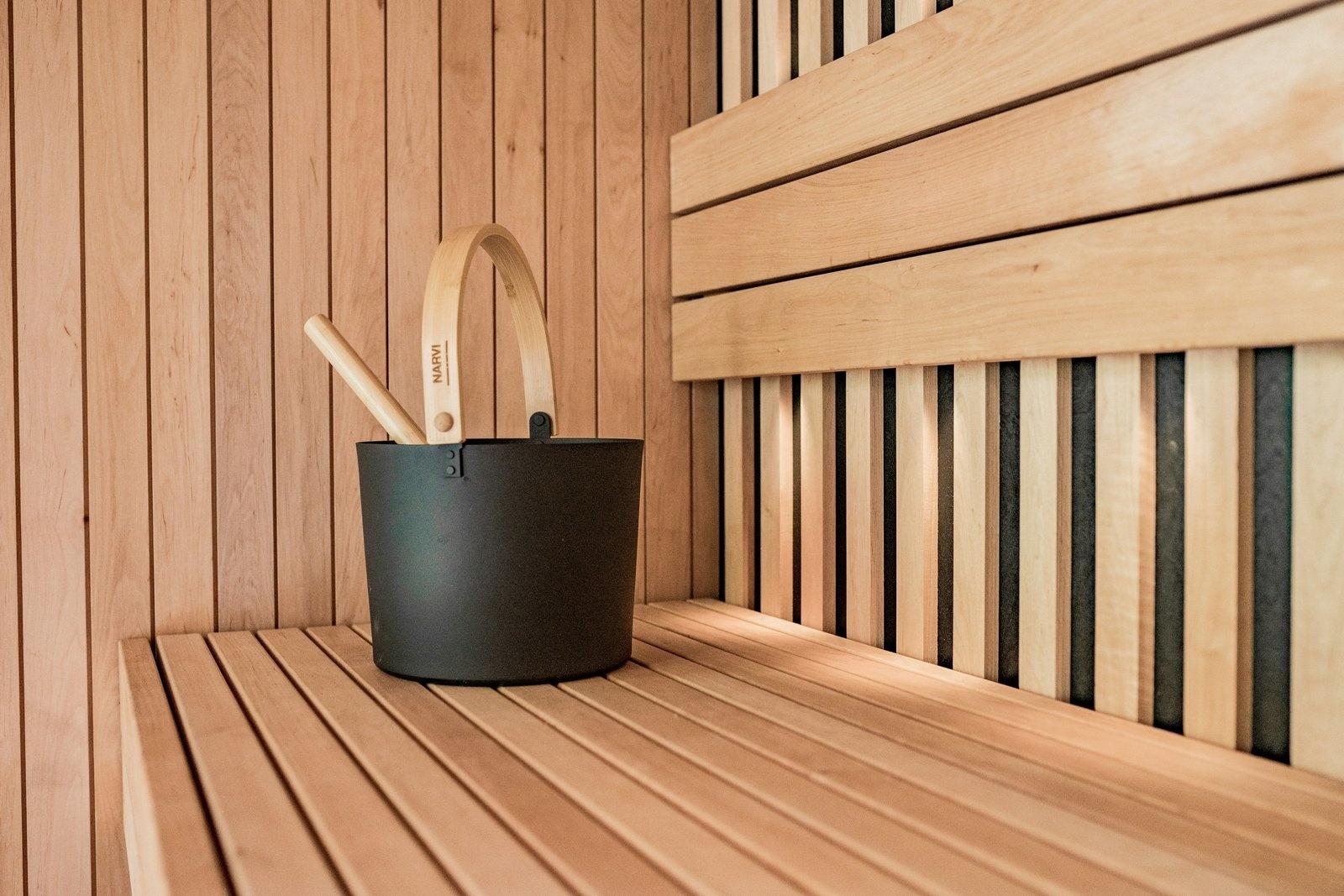
Built by people who sit in the heat
Everyone on our crew takes a proper sauna, and we build the kind of room we would want to spend an evening in. You can see it in the height of the top bench, the size of the stone basket and where the vents go. Readers comparing contractors can learn more about the Finnish sauna builder behind these rooms.
- We set the top bench high enough that your feet rest above the heater stones.
- We size stone loads for real steam, from about 40 to 200 pounds of rock on home heaters.
- We follow Berkeley's fire-zone requirements for wood stoves and flues.
- We use heat-stable woods on benches so they stay comfortable at 190 degrees.
- We place intake and exhaust so air moves without chilling your ankles.
- We teach you how to heat, pour and dry the room so it lasts for decades.
Reasons people pick a Finnish-style room
Traditional rooms suit people who want strong heat and the ritual of pouring water. The reasons we hear most:
You want steam when you ask for it
Only a heater with a real stone mass produces the humid surge that follows a ladle of water. Infrared cannot do it, and a surprising number of first-time buyers only find that out after trying both.
You have your heart set on a wood-fired sauna
The crackle and smell of a wood stove are hard to replace. In the flats, or across the line in Albany and El Cerrito, it is often doable with the right flue. On a high-fire-zone lot we go through the permitting frankly before you commit to anything.
Several people will use it together
Traditional rooms handle four to eight people well, and a heavy stone load holds temperature when the door keeps opening.
You like hot and cold rounds
Hot room, cold soak, rest, repeat. The deep heat of a Finnish room is what makes a cold plunge, or just a foggy Berkeley evening on the deck, feel good afterward.
You want a room that lasts
A well-built traditional room with a quality heater runs twenty years or more, needing little beyond new elements now and then and a fresh load of stones every few years.
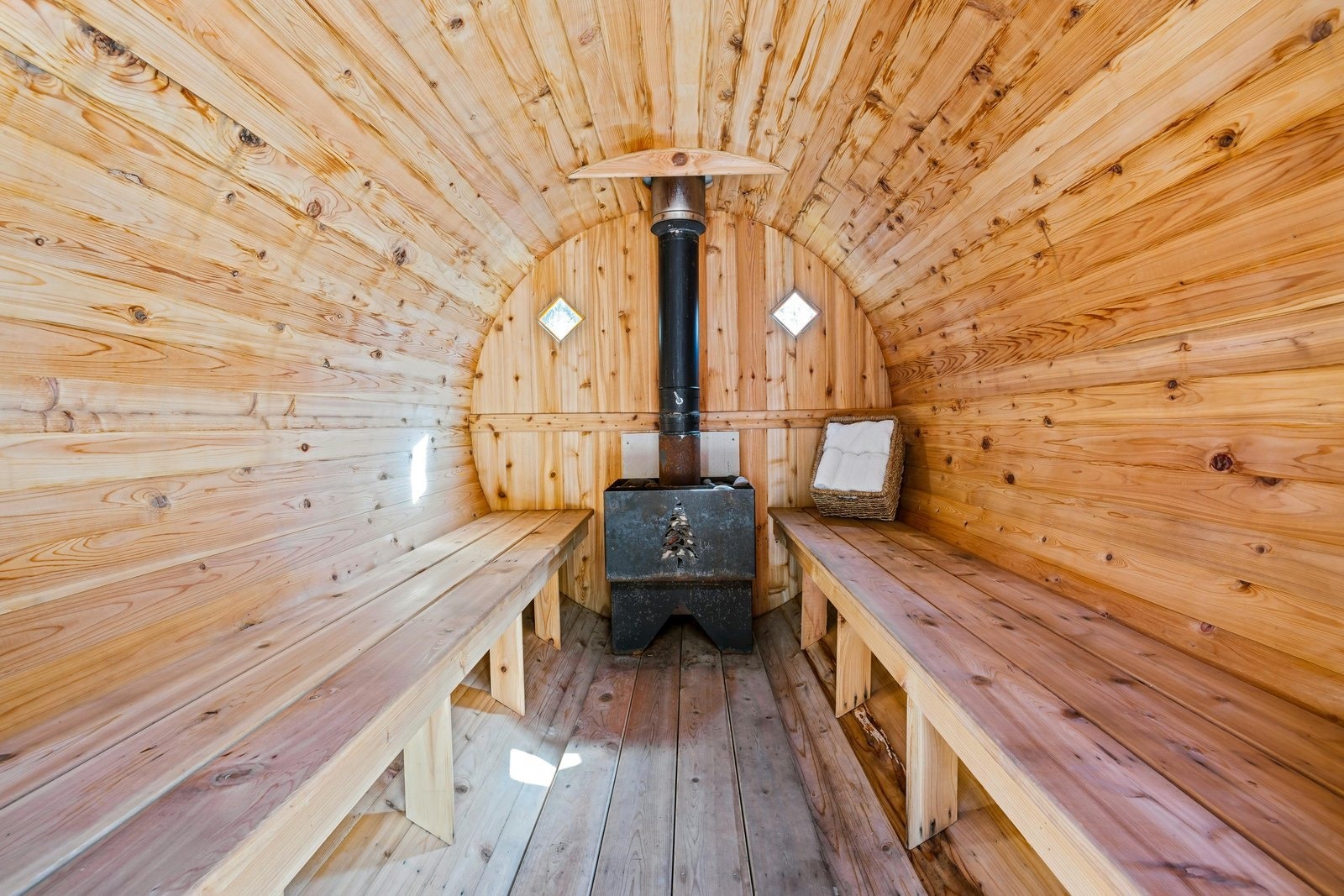
Building a traditional room, stage by stage
Electric or wood
We look at your panel, your parcel's fire-zone status and your preferences, then recommend a heater and a stone load.
Plan where the heat goes
We lay out bench heights, heater position and vents so the hottest air gathers where people actually sit.
Build the room
Framing, insulation, foil, paneling and benches go in, along with a flue and hearth pad for a wood stove or a dedicated circuit for electric.
First fire and a pouring lesson
We cure the stones, bring the room to full temperature, and show you how much water to throw and how long to wait between ladles.
Inside a well-made Finnish room
Each part of a traditional sauna changes how the heat feels. These get most of our attention.
Heaters and stones
Wall-hung electric units for small rooms, tall floor heaters with big rock loads for softer steam, and wood stoves with optional water tanks. We use dense split olivine or peridotite, which survives years of heating and splashing.
Wood species
Cedar or spruce on the walls, with aspen or abachi on benches because those stay cooler to the touch. Knotty boards look rustic but can weep resin near the heater, so we keep them out of the hot zone.
Benches and backrests
A top bench roughly three and a half feet below the ceiling, a lower step, and angled backrests that keep your shoulders off the hot wall. Screws are hidden under the slats.
Floor and ventilation
Tile or sealed concrete with a slight fall to a drain for heavy pourers, a low intake near the stove, and a high exhaust you can partly close.
Doors and lighting
Solid or glass doors that swing out, low warm fixtures that never glare, and a small window when the site offers something worth looking at.
Bucket, ladle and thermometer
A wooden or copper bucket, a long-handled ladle, and a thermometer paired with a hygrometer, mounted where they give an honest reading at head height.
What a Finnish room costs to build
Electric traditional rooms in Berkeley usually cost between ten and thirty thousand dollars. Wood-fired builds, with flue work and fire-zone review, often run higher. The price moves with:
- Room size and the heater output it calls for.
- Electric versus wood-fired, including chimney and hearth work.
- Stone quantity and heater model.
- Wood species on walls and benches.
- Floor drain and tile work.
- Permits and any fire-zone conditions.
You get one fixed number after the visit. If a wood stove will not clear review at your address, you hear that from us before any drawings begin.
Frequently Asked Questions
Can I have a wood-fired sauna in the Berkeley hills?
Sometimes. Parcels in the city's fire hazard zones face stricter rules on chimneys, spark arrestors and clearances, and some lots are simply impractical. We check your parcel before designing anything. An electric heater with a large stone load feels very similar and sidesteps most of those issues.
How hot does a traditional sauna get?
Most people run theirs between 170 and 195 degrees Fahrenheit. Humidity climbs briefly each time water hits the stones. Some prefer a softer room around 160 degrees with more frequent pours.
Which brands provide eco-friendly sauna heaters and steam generators?
Huum and Saunum make efficient electric heaters that warm up quickly, and Harvia sells models with smart controls that trim idle running. On the steam side, Mr. Steam and ThermaSol offer generators with eco modes. Modern Kuuma wood stoves burn far cleaner than older designs. Paired with rooftop solar, an electric heater is the lowest-emission option for most Berkeley homes.
How often should sauna stones be replaced?
With regular use, every two to three years on an electric heater and more often in a wood stove. Crumbling or flaking stones choke airflow through the basket and can shorten element life.
How should I pour water on the stones?
Use a ladle and pour small amounts onto the hottest stones, waiting a minute or so between pours. Plain tap water is fine. Keep water off the electric elements, and dilute any scented oil in the bucket instead of splashing it straight onto the rocks.
See all FAQs on our FAQ page.
Planning traditional saunas in Berkeley?
Send a few details or give us a call, and we will set up a visit and a free written estimate. We look at the room or yard, the panel and the access, then tell you what will work and what it will cost, with no obligation.
Or call us now: 510-953-5839